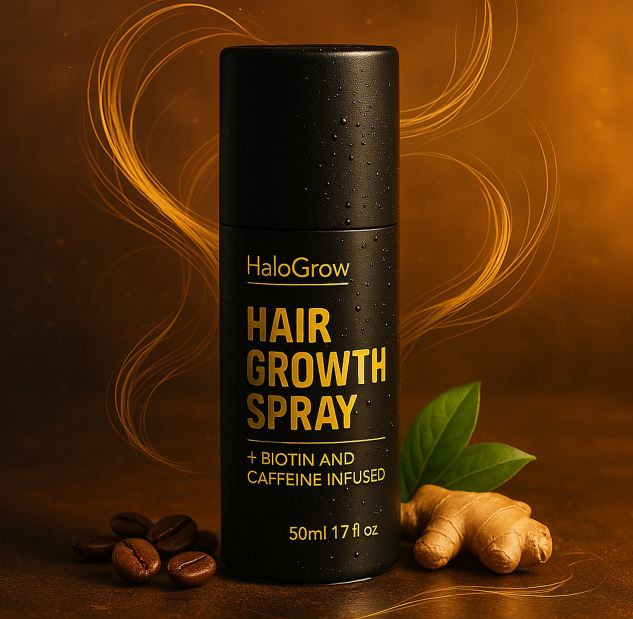
HaloGrow Hair Spray In Australia
Introduction — why this matters in Australia
Hair thinning and hair loss are common concerns across age groups and sexes. For many Australians—busy with work, family and life—non-invasive, easy-to-use products that can be added to a daily routine (like sprays and serums) are attractive alternatives to oral medications or clinical procedures. HaloGrow positions itself exactly in that niche: a spray-on topical that promises both immediate cosmetic lift and longer-term reductions in shedding and improved density.
If you’re in Australia and considering HaloGrow, this guide will help you evaluate the product objectively, understand the ingredients, set realistic expectations, and decide whether to try it, buy it locally, or speak with a healthcare professional first. Along the way I’ll point to where the product is sold, what users report, and the most important safety notes.
What is HaloGrow Hair Spray?
HaloGrow (also stylized Halo Grow, HaloGrow Hair Spray, Halo Grow HairSpray) is marketed as a lightweight topical spray formulated to support scalp health, reduce hair shedding, and give hair a fuller appearance. The product is presented as suitable for men and women and is sold through an official retailer website as well as multiple affiliate and e-commerce channels (Amazon, eBay, country-specific landing pages). The company emphasizes a blend of vitamins, botanical extracts, and scalp-conditioning compounds and typically promotes a money-back guarantee and discount bundles for multi-bottle purchases.
Typical HaloGrow ingredients — what’s in the bottle?
Different retailer pages and listings show very similar ingredient profiles; some specify more detail than others. Across multiple sources, common ingredients include:
Biotin (vitamin B7): Often included in topical hair support formulas for structural hair benefits.
Caffeine: Marketed to stimulate scalp circulation and potentially support hair follicle activity.
Ginger root extract: Traditional botanical used for scalp health and circulation.
He Shou Wu (Polygonum multiflorum): Traditional herb used in East Asian herbal medicine, included in some modern hair formulas.
Castor oil or castor oil derivatives: Promote conditioning and may reduce brittleness.
Panthenol (provitamin B5): Conditioning agent for moisture and shine.
Amino acid and film-forming polymers: for hold/volume and to create a fuller appearance on hair shafts.
Fragrance, solvents, propellants (if aerosol), preservatives and stabilizers.
Some official and retailer pages also mention patented compounds or a proprietary blend. Because “proprietary blends” sometimes omit exact dosages, it’s harder for consumers to evaluate whether ingredient levels match those used in clinical studies. For a precise list on a particular bottle or country version, read the label or the product page for that SKU.
How HaloGrow is claimed to work (the marketing explanation)
Manufacturers and marketing pages typically describe a two-pronged action:
Immediate cosmetic effect: film-formers and volumizing agents lift hair at the root and coat strands, creating an instantly fuller look and making hair easier to style. This gives prompt “visual thickness” without actually increasing hair count.
Longer-term scalp support: botanicals, vitamins and stimulatory agents (e.g., caffeine) are said to nourish the scalp and reduce shedding by supporting an optimal environment for hair follicles. Over weeks to months, consistent use is said to lead to less breakage and denser-appearing hair.
It’s crucial to separate cosmetic, instant effects (which are easy to achieve) from claims about biological regrowth — the latter require stronger clinical evidence and often months of use.
Evidence — do these ingredients and this format actually work?
Evidence for topical sprays and the key active ingredients
Biotin (topical): Biotin deficiency can cause hair problems; supplementing deficient individuals helps. However, topical biotin’s penetration and clinical efficacy are not strongly established in peer-reviewed trials compared with oral correction for deficiency.
Caffeine (topical): Some lab studies and small clinical trials suggest caffeine can stimulate hair follicles in vitro and may slow miniaturization, but evidence in humans is mixed and depends on formulation and concentration.
Botanical extracts (ginger, He Shou Wu, etc.): Traditional use is common; modern clinical support is limited and often low-quality (small sample sizes, lack of blinding).
Conditioners and film-formers: These reliably provide immediate cosmetic improvement (volume, shine, reduced breakage) but do not count as hair regrowth in the biological sense.
Overall: topical sprays can improve appearance quickly and some ingredients in the HaloGrow family have plausible mechanisms, but high-quality, independent clinical trials of the exact HaloGrow formula are not publicly available. Therefore, expect cosmetic benefits for styling and possible modest improvements in shedding for some users, but treat claims of dramatic regrowth with caution.
Real user feedback — what Australians (and others) report
Public review sites and social channels show a mixture of experiences:
Positive reviews: Many users praise HaloGrow for reduced breakage, improved hair texture and lifting at the roots that makes hair look fuller; several long-term testimonials claim visible improvement after 6–12 weeks. Verified review pages list high average ratings in some regions.
Mixed/no effect: Some users report minimal changes beyond the immediate volumizing effect. In these cases, users attributed any initial improvement to styling rather than actual reduction in scalp shedding.
Negative reports / concerns: A minority of user posts and social media threads allege adverse reactions (scalp irritation) or systemic symptoms they associate with a product; these posts are not always clinically verified and can be anecdotal. It’s wise to treat reported harm seriously but also to consider that anecdotal reports don’t prove causation.
Important: online reviews can be biased—manufacturers may promote positive testimonials, and affiliate pages sometimes amplify favorable content. Look for verified purchases, photo timestamps, and independent review platforms for more reliable signals.
Safety profile & potential side effects
HaloGrow’s most common safety considerations are similar to other topical hair products:
Scalp irritation or allergy: Fragrances, preservatives, solvents or plant extracts may trigger contact dermatitis in sensitive people. Always patch test a new topical product (apply a small amount behind the ear or inner forearm for 48 hours) before using broadly on the scalp.
Ocular irritation: Avoid spraying near eyes. Aerosolized sprays or volatile solvents can irritate mucous membranes.
Systemic effects: Unlikely for most topical cosmetics, but if a product contains high concentrations of stimulants (e.g., caffeine in unusual amounts) or undisclosed actives, systemic reactions are possible. There is no publicly verified evidence that HaloGrow contains pharmacologic actives that cause systemic poisoning, but social media threads exist alleging adverse symptoms—these warrant caution and further inquiry with the seller or a health professional if you experience symptoms.
Product contamination or variable formulation: Buying from non-official or grey-market sellers (e.g., random eBay listings) raises quality and authenticity concerns. Prefer official channels or reputable retailers.
If you have scalp disease (psoriasis, severe eczema), are prone to allergic reactions, are pregnant or breastfeeding, or are using other topical medications (e.g., topical minoxidil), check with a dermatologist or pharmacist before adding a new spray. For anything more than mild irritation, discontinue use and seek medical advice.
How to use HaloGrow (practical instructions)
Follow the manufacturer’s label for the specific product you buy—these general steps are typical for topical hair sprays:
Start with clean hair and scalp: Washing hair before application helps remove oils and styling products so the formula can contact the scalp.
Apply to targeted areas: Spray the product on thinning areas or across the scalp as directed. Don’t over-saturate—sprays are designed to be lightweight.
Massage gently: A short gentle massage (1–2 minutes) can help distribute the product and may support circulation.
Style as usual: Many sprays are compatible with styling; some provide hold or lift. Avoid heat immediately if the product instructions advise so.
Frequency: Most product pages recommend daily use for best results; improvement (if any) typically appears over 6–12 weeks. Track changes with photos taken under the same lighting every 2–4 weeks.
Combining HaloGrow with other hair treatments
With topical minoxidil: If you’re using clinically proven treatments (like topical minoxidil), check for compatibility. Many sprays are fine to use alongside minoxidil, but read instructions to avoid diluting or disrupting treatment application. Ask your dermatologist for a personalized plan.
Oral supplements: Combining topical sprays with oral supplements (biotin, zinc, vitamin D) may be reasonable if you have confirmed deficiencies—again, consult a healthcare professional.
Styling & heat: Because HaloGrow is marketed as lightweight, it can be used with styling tools. However, avoid excessive heat which can increase hair fragility.
Pricing, discounts, and where to buy in Australia
HaloGrow is sold via:
The product’s official website(s) and country-specific landing pages. These often feature promotional discounts, multi-bottle bundles, and a money-back claim.
E-commerce marketplaces (Amazon/Australia, eBay) and third-party reseller pages.
Affiliate and review landing pages that redirect to an order page.
Pricing: Offers vary by promotion and region. Many official pages advertise introductory discounts (e.g., “50% off”) and tiered pricing (single bottle vs. multi-bottle bundles). Keep in mind that multi-bottle packages have a higher up-front cost but reduce per-bottle price—useful for trials that need 2–3 months of consistent use. Always check shipping costs and customs if ordering from overseas.
Authenticity & seller trust — tips to avoid scams or counterfeit products
Buy from official channels or well-known retailers. Official websites and reputable marketplaces with verified vendors are a safer bet than random ads or classifieds.
Check the label and batch number. Authentic products typically have batch numbers and expiration dates.
Look for verified reviews. Trustpilot and similar platforms show many reviews for HaloGrow listings—read verified-purchase reviews and spot patterns.
Contact customer support: Genuine brands provide a customer care email, phone number, and returns policy. Test their responsiveness before buying.
Avoid “too-good-to-be-true” deals on dubious marketplaces or social media ads that pressure immediate purchase. Scammers use urgency to push purchases.
Cost-benefit: is HaloGrow worth it?
Cosmetic benefit: If your primary goal is immediate visual improvement—root lift, reduced flatness, better manageability—HaloGrow-like sprays are likely to deliver value. The conditioning agents and film formers reliably create a fuller look.
Biological regrowth: If you’re seeking genuine regrowth (new terminal hairs in a previously bald area), rely on clinically proven therapies (e.g., topical minoxidil, prescription agents, hair transplant) and medical evaluation. HaloGrow may support scalp environment and reduce breakage for some users, but it should not replace evidence-based medical treatments for androgenetic alopecia or scarring alopecias.
Cost vs. time: Expect to use the product for 8–12 weeks before judging longer-term effects—this has cost implications. Multi-bottle bundles are usually more economical per month than single-bottle purchases if you plan a trial.
What dermatologists typically say (practical clinical perspective)
Topical cosmetic sprays can be a helpful adjunct to styling and hair care; they are not a substitute for medical therapy when hair loss is due to underlying conditions (androgenetic alopecia, alopecia areata, telogen effluvium from systemic illness).
Evaluate for underlying causes (blood tests for thyroid, iron, vitamin D, sex hormones when relevant) before relying solely on cosmetic fixes.
For persistent or progressive thinning, see a dermatologist. They can recommend clinically validated treatments and set realistic expectations. (This is a standard clinical approach; for serious scalp concerns, medical evaluation is advised.)
Common questions (FAQ)
Q: How long until I see results?
A: Expect immediate cosmetic lift. Any reported reduction in shedding or visible thickening typically takes 6–12 weeks with daily use. Results vary by individual.
Q: Is HaloGrow safe with minoxidil?
A: Many users combine topical serums and sprays with minoxidil, but check compatibility and apply minoxidil per its directions (usually to a dry scalp) and allow it to absorb before layering other products. Consult your dermatologist for personalized advice.
Q: Will this regrow a receding hairline?
A: Topical sprays may improve appearance and help reduce breakage, but established miniaturized or missing follicles usually require medical therapies or surgical interventions for true regrowth.
Q: Any special warnings for pregnant or breastfeeding women?
A: Avoid using topical formulations with unknown systemic absorption during pregnancy without consulting a healthcare professional. Manufacturers typically advise caution. Always check the label and consult your doctor.
Step-by-step decision checklist for Australians
Define your goal: immediate cosmetic lift or biological regrowth?
Read the label: confirm ingredients, preservative list, and batch info.
Check reviews: look for verified-purchase reviews in Australia or nearby markets.
Patch test: test 48 hours before widespread use.
Try a 2–3 month course: use consistently and take regular photos under consistent lighting.
If no improvement or you see worsening: stop and consult a dermatologist.
Reporting problems — what to do if you have a bad reaction
If you experience severe scalp irritation, systemic symptoms (dizziness, palpitations), or sudden hair loss after starting a product:
Stop using the product immediately.
Seek medical advice urgently for systemic symptoms. For skin reactions, a GP or dermatologist can assess.
Report the product to local consumer protection or health authorities if you suspect contamination or an unsafe product. In Australia, you can contact the Therapeutic Goods Administration (TGA) if a product appears to cause harm or is advertising medicinal claims it’s not authorized to make. If the product was purchased overseas, report to your bank/credit card for potential refunds and to consumer portals.
Preserve evidence: keep the bottle, batch number, photos of reaction, and order receipts in case authorities or the manufacturer ask. (This is general consumer-safety advice.)
Final verdict — should you try HaloGrow in Australia?
Yes, if your main objective is a non-invasive cosmetic improvement (volume, lift, manageability) and you buy from a reputable seller, do a patch test, and accept that visible “regrowth” claims are not guaranteed. HaloGrow’s formula components and many user reports indicate it can improve the appearance of hair and reduce breakage for some users.
Be cautious if you seek medical treatment for true hair regrowth (consult a dermatologist first) or if you have sensitive skin/allergies. Also be wary of unverified third-party sellers and social media ads that overpromise instantaneous biological regrowth.
Get in Touch
Questions about Halogrow Hair Spray Australia? We're here to help you shine.
Call
+61 3 9123 4567
support@halogrow.com.au
Contact
Phone
hello@halogrow.com.au
+61 3 9123 4567